
Understanding the Basics of Fishing for Beginners
Embarking on the journey of fishing is akin to unlocking a world filled with tranquility and adventure. For beginners, understanding the basics of this cherished pastime is paramount to ensuring both enjoyment and success. Fishing is not merely about casting a line into the water; it’s an intricate dance of skill, patience, and knowledge.
The Essential Gear
To start, you’ll need to familiarize yourself with the essential equipment. Every angler needs a sturdy fishing rod and reel, which serve as the primary tools for catching fish. The choice of rod and reel can significantly affect your experience, so it’s crucial to select one that matches your fishing style and the type of fish you’re targeting. Add to this a selection of hooks, lines, and sinkers, which are fundamental components of any fishing tackle box.
Basic Fishing Techniques
Once you have your gear, mastering basic fishing techniques is the next step. This includes learning how to cast your line effectively. Casting is a skill that improves with practice, and it requires a gentle, yet firm wrist movement to ensure your bait lands softly on the water surface. Additionally, understanding how to set the hook when a fish bites is essential to prevent losing your catch.
Understanding Fish Behavior
Equally important is having a basic knowledge of fish behavior. Different species respond to various weather conditions, water temperatures, and times of day. Observing the environment and adapting your strategy accordingly can dramatically improve your success rate.
By grasping these foundational concepts, beginners can transform their fishing trips into rewarding experiences. The serenity of being out on the water, coupled with the thrill of the catch, makes fishing a hobby that is both rejuvenating and exhilarating. Embrace this learning phase, as each outing offers a new lesson and a step closer to becoming a seasoned angler.
Essential Fishing Gear Every Angler Should Own
Embarking on a fishing trip is not just about casting your line and hoping for the best; it’s about preparation and having the right tools at your disposal. Every seasoned angler knows that their success is a blend of skill, patience, and the right gear. Whether you are a novice or an experienced fisherman, possessing the essential fishing gear can significantly enhance your angling skills and overall experience.
Rods and Reels
At the core of any fishing arsenal are the rods and reels. Choose a rod that matches your fishing style, whether it’s fly fishing, deep-sea angling, or freshwater fishing. Pairing your rod with the right reel is crucial for ensuring smooth casting and retrieval, particularly during those moments when you need to reel in a big catch. Consider the type of fish you’re targeting as this will influence the strength and flexibility of the rod you select.
Tackle Box
A well-organized tackle box is indispensable. It should contain an assortment of lures, hooks, lines, and sinkers. Having a variety of lures, such as jigs, spinners, and crankbaits, allows you to adapt to different fishing conditions and species. Moreover, ensure your tackle box is waterproof to protect your gear from damage.
Fishing Line
The fishing line is another essential component. There are various types available, including monofilament, fluorocarbon, and braided lines. Each type has its own advantages; for example, monofilament is known for its versatility and ease of use, while braided lines offer strength and sensitivity.
Safety Gear
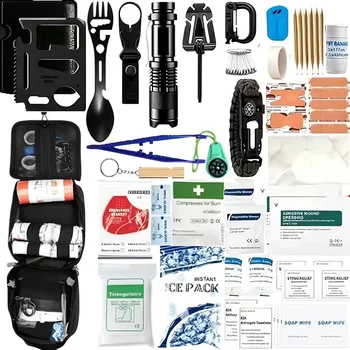
No fishing trip is complete without the proper safety gear. Items such as life jackets, first aid kits, and sun protection (e.g., hats and sunscreen) are crucial for ensuring a safe and enjoyable fishing experience. Additionally, a reliable pair of polarized sunglasses will not only protect your eyes but also help you see beneath the water’s surface.
Equipped with these essential items, you’ll be better prepared to face the challenges of the waters, enhance your angling skills, and enjoy the thrill of fishing. Always remember, the right gear is a pivotal part of a successful fishing adventure.
Exploring Different Types of Fishing from Freshwater to Saltwater
Fishing, a timeless and cherished pastime, offers a variety of experiences as diverse as the waters themselves. Whether you find solace casting a line in the tranquil embrace of a freshwater lake or seek the thrill of wrestling with the mighty currents of the open sea, understanding the nuances of these environments is crucial to enhancing your angling skills.
Freshwater Fishing
Freshwater fishing, often considered the introductory gateway into the angling world, takes place in ponds, lakes, rivers, and streams. These serene environments are home to a variety of species, including bass, trout, and catfish. Freshwater fishing is generally more accessible, making it ideal for beginners and seasoned anglers alike. This type of fishing requires specific tackle and techniques, such as baitcasting or fly fishing, each offering a unique challenge and reward.
Saltwater Fishing
On the other hand, saltwater fishing opens up an entirely different realm of possibilities and adventures. Taking place in oceans, bays, and estuaries, it targets species like marlin, tuna, and redfish. Saltwater fishing demands robust gear capable of withstanding the harsh marine environment. Techniques here range from deep-sea fishing to surf fishing, each providing its own set of challenges and thrills.
Choosing the Right Type for You
Choosing between freshwater and saltwater fishing depends largely on personal preference, geographical location, and the kind of experience you seek. Freshwater fishing might appeal to those who enjoy a calm, reflective outing, while saltwater fishing is often preferred by those looking for adventure and a test of skill against larger, more powerful fish.
Whatever your choice, understanding these environments and the techniques they require can significantly enhance your angling skills and enrich your fishing adventures. Embrace the unique offerings of each type, and let the waters guide you to new horizons.
Mastering the Art of Casting for Better Fishing Results
For many anglers, the thrill of fishing lies not only in the catch but in the pursuit itself—an intricate dance that begins with the art of casting. Mastering this skill is fundamental to enhancing your overall fishing experience and increasing your chances of success. Casting effectively allows you to place your bait in the optimal location, directly impacting your ability to attract and hook fish efficiently.
Understanding Casting Techniques
There are various casting techniques, each suited for different fishing environments and targets. The basic overhead cast is the most commonly used, suitable for beginners due to its simplicity and effectiveness. For more advanced anglers, techniques like the sidearm cast or the roll cast can prove advantageous in tricky conditions such as when there are obstructions like trees or rocks.
Improving Your Cast
To improve your casting, focus on:
- Practice: Like any other skill, practice is key. Spend time honing your technique in different conditions.
- Equipment: Ensure your rod and reel are suitable for the type of fishing you’re doing. The right equipment can significantly enhance your casting accuracy and distance.
- Adaptability: Be prepared to adjust your technique based on the weather and water conditions. Wind, for instance, can affect your cast, so being flexible is essential.
Utilizing Casting for Better Results
Mastering casting techniques not only improves your catch rate but also enriches your angling experience by allowing you to explore different fishing locations and species. This skill opens up opportunities to experiment with various lures and baits, ultimately leading to a more satisfying and rewarding fishing adventure. As you refine your casting abilities, you’ll likely find that your overall confidence as an angler grows, making each fishing trip more enjoyable and productive.
By dedicating time to mastering the art of casting, anglers can enhance their skills, leading to better fishing results and a deeper appreciation for the sport. Transitioning these techniques into practice can lead seamlessly to the next stage of angling expertise, where precision and strategy meet in the quest for the perfect catch.
Top Tips for Selecting the Right Fishing Tackle
Choosing the right fishing tackle can significantly enhance your angling experience, transforming a simple fishing trip into a rewarding adventure. Here are some insightful tips to help you select the ideal gear to match your fishing style and goals.
Understand Your Fishing Environment
Before you even begin selecting tackle, consider the environment where you’ll be fishing. Are you casting in freshwater lakes, swift-moving rivers, or deep-sea waters? Each environment demands specific equipment. Freshwater anglers might prefer lighter gear and tackle, while deep-sea fishing requires robust rods and reels capable of handling larger fish.
Match Your Tackle to Your Target Species
Your choice of tackle should align with the species you aim to catch. For instance, if you’re targeting trout, a lightweight rod with a sensitive tip is ideal. On the other hand, if your goal is to reel in a giant catfish, you’ll need a sturdier setup. Understanding the behavior and size of your target fish can guide your tackle selection effectively.
Consider Your Skill Level
Beginners should opt for versatile and easy-to-use tackle. Look for combos that include a rod and reel designed to work together seamlessly. As you gain experience, you can explore more specialized gear to refine your technique and tackle specific challenges in your fishing expeditions.
Quality Over Quantity
Investing in high-quality tackle might require a higher upfront cost, but it pays off in durability and performance. Quality gear tends to last longer, withstand harsh conditions, and provide a more enjoyable fishing experience. Prioritize purchasing from reputable brands known for their durability and precision.
By carefully considering these factors, you can select fishing tackle that not only enhances your skills but also enriches your overall experience on the water. Remember, the right tackle isn’t just about catching fish—it’s about ensuring each cast is a step towards achieving your angling ambitions.


0 Comments